Black Market Rate
The black market rate, also known as the parallel market or Aboki rate, reflects what street-level traders and informal dealers are exchanging currencies for right now. As of today, the USD to Naira black market rate is approximately ₦0 per dollar — higher than the official CBN rate because supply is limited and demand is driven by everyday Nigerians who cannot access forex through banks.
How Much Is $100 at the Black Market Rate?
At today's black market rate of ₦0 per dollar: $100 = ₦0.
For quick conversions of any amount, use the Aboki Dollar currency converter for live results.
Why the Black Market Rate Differs from CBN Rates
- Banks and official channels ration access to dollars, pushing unmet demand to the street market.
- Importers, students abroad, travellers, and freelancers often rely on the parallel market when banks fall short.
- No documentation is required — cash exchanges happen instantly, which adds a liquidity premium.
- Global dollar strength and Nigeria's oil export earnings directly affect how tight or loose the black market is.
Where These Rates Come From
Aboki Dollar aggregates black market rates from active traders, bureau de change operators, and exchange hubs in Lagos, Abuja, Kano, and Port Harcourt — giving you the most accurate picture of what the rate truly is today.
Black Market Rates Today
Last Updated: 00:00:00
Currency | Conversion to Naira Rate |
|---|---|
 Dollar to Naira US Dollar | Buying Rate ₦1,480 Selling Rate ₦1,482 |
 GBP to Naira British Pound Sterling | Buying Rate ₦1,880 Selling Rate ₦1,885 |
 Euro to Naira Euro | Buying Rate ₦1,620 Selling Rate ₦1,625 |
 CAD to Naira Canadian Dollar | Buying Rate ₦1,050 Selling Rate ₦1,055 |
 Rand to Naira South African Rand | Buying Rate ₦82 Selling Rate ₦85 |
 Dirham to Naira UAE Dirham | Buying Rate ₦400 Selling Rate ₦405 |
 Yuan to Naira Chinese Yuan | Buying Rate ₦205 Selling Rate ₦210 |
 Cedi to Naira Ghanaian Cedi | Buying Rate ₦95 Selling Rate ₦98 |
Currency | Conversion to Naira Rate |
|---|---|
Dollar to Naira US Dollar | Buying Rate ₦1,480 Selling Rate ₦1,482 |
GBP to Naira British Pound Sterling | Buying Rate ₦1,880 Selling Rate ₦1,885 |
Euro to Naira Euro | Buying Rate ₦1,620 Selling Rate ₦1,625 |
CAD to Naira Canadian Dollar | Buying Rate ₦1,050 Selling Rate ₦1,055 |
Rand to Naira South African Rand | Buying Rate ₦82 Selling Rate ₦85 |
Dirham to Naira UAE Dirham | Buying Rate ₦400 Selling Rate ₦405 |
Yuan to Naira Chinese Yuan | Buying Rate ₦205 Selling Rate ₦210 |
Cedi to Naira Ghanaian Cedi | Buying Rate ₦95 Selling Rate ₦98 |
Popular Black Market Rates
Check live parallel market rates for major currencies
Select Conversion Rate
Aboki Dollar Black Market Rates
Understanding Black Market Exchange Rates in Nigeria
The black market, widely referred to as the parallel market, unofficial market, or street market, operates independently of the Central Bank of Nigeria (CBN). While the CBN sets official exchange rates for the Naira (NGN), the black market rates are entirely determined by supply and demand dynamics within the informal currency trading sector. These rates often differ significantly from official rates, especially during periods of foreign exchange scarcity, economic uncertainty, or policy shifts. The black market serves millions of Nigerians, businesses, and expatriates who cannot quickly access foreign currency through official banking channels due to stringent documentation requirements, transaction limits, or outright limited availability.
Why Do Black Market Rates Differ from Official CBN Rates?
Several underlying factors contribute to the persistent gap between official and black market rates. Primarily, foreign exchange restrictions imposed by the CBN limit the amount of dollars available through commercial banks, creating a systemic scarcity in the official market. This scarcity forces desperate buyers to drive their demand to the parallel market, where foreign currency is more readily available but sold at a premium. Additionally, economic policies, domestic inflation rates, global oil prices, and overall political stability play crucial roles in influencing the spread between the official and parallel market rates. When confidence in the local currency wanes, the demand for stable foreign currencies spikes, driving black market rates even higher.
Key Factors That Affect Daily Black Market Rates
Black market exchange rates are highly volatile and fluctuate based on numerous local and international factors. Understanding these variables can help you anticipate market movements and time your exchanges better:
- Global Oil Prices: As Africa's largest oil producer, Nigeria's economy heavily depends on crude oil exports for its foreign exchange earnings. When global oil prices fall, the country's foreign exchange reserves shrink, leading to a weaker Naira in both official and parallel markets.
- Supply and Demand Dynamics: This is the most direct and impactful factor. When the demand for foreign currency (for imports, medical tourism, or school fees) outstrips the available supply in circulation, the exchange rate naturally increases.
- CBN Monetary Policy Announcements: Any changes in monetary policy, interest rates, or foreign exchange restrictions announced by the Central Bank of Nigeria can immediately trigger speculative reactions in the black market.
- Inflation Data and Economic Indicators: High domestic inflation rates reduce the purchasing power of the Naira. As living costs rise, confidence in the local currency drops, leading to depreciation against stronger international currencies like the USD and GBP.
- Seasonal Factors and Cycles: Certain times of the year see spikes in demand for foreign currency. Holiday periods, summer vacations, and back-to-school seasons (when parents need to pay foreign tuition) significantly influence the demand and push rates higher.
Who Relies on Black Market Rates and Why?
Various demographic groups and sectors across Nigeria rely heavily on black market rates for different reasons, primarily due to the limitations and hurdles of official banking channels:
- Small and Medium-Sized Importers: Businesses that need to import goods but cannot secure sufficient dollar allocations through commercial banks use the parallel market to purchase their required inventory from abroad.
- Students Studying Overseas: Nigerian students abroad and their families often depend on black market rates when official channels face delays or cannot provide enough foreign currency for tuition, accommodation, and living expenses in a timely manner.
- International Travelers: Tourists and business travelers preparing for international trips frequently buy dollars at black market rates when banks have exhausted their limited allocations for Personal Travel Allowance (PTA) or Business Travel Allowance (BTA).
- Freelancers and Remote Workers: With the rise of the gig economy, Nigerian professionals receiving payments in foreign currency from international clients monitor these rates. They use this data to understand the true local value of their earnings and decide when to convert their funds to Naira.
How to Check and Use Aboki Dollar Rates Effectively
To get the best possible value when exchanging your currency, it is highly recommended to develop a habit of checking rates daily, especially if you have a pending or upcoming transaction. Here is how you can maximize the Aboki Dollar platform for your benefit:
- Select Your Specific Currency Pair: Navigate the website and choose your preferred currency pair, such as USD to Naira (NGN) or GBP to Naira, to view the most recent and accurate rate updates.
- Compare Buying and Selling Rates: It is crucial to understand the difference between buying rates (the rate at which you buy foreign currency with Naira) and selling rates (the rate at which you sell your foreign currency for Naira) before initiating any transaction.
- Monitor Rates Multiple Times a Day: Aboki Dollar aggregates and updates black market rates multiple times throughout the day to reflect real-time market movements and street realities.
- Time Your Exchanges Strategically: Use historical data and current trends to avoid exchanging large sums during periods of excessively high demand when rates are typically less favorable for buyers.
Safe Trading Practices in the Black Market
While the black market provides vital access to necessary foreign currency, users must exercise extreme caution to protect their funds and personal safety:
- Always Verify Current Rates: Verify current rates from multiple trusted sources like Aboki Dollar before making any exchange. This ensures you are not being shortchanged or exploited by opportunistic traders.
- Use Established BDC Operators: Whenever possible, conduct your transactions with registered and well-known Bureau de Change (BDC) operators rather than random street traders. This significantly minimizes the risk of receiving counterfeit currency.
- Prioritize Personal Safety: Never carry large, conspicuous amounts of physical cash to exchange points. Always conduct transactions in safe, secure, and public locations. Alternatively, utilize secure bank transfers for the Naira equivalent when dealing with trusted operators.
- Keep Detailed Records: Maintain meticulous records of all your currency exchange transactions, including dates, rates, amounts, and the operator involved, for personal accounting and tracking purposes.
Black Market vs. CBN Official Rates: The Bottom Line
The Central Bank of Nigeria (CBN) publishes official exchange rates that commercial banks and authorized dealers are mandated to use for legitimate, approved transactions. However, these official rates often do not reflect the true, unhindered market conditions due to the limited and strictly controlled supply of dollars within the formal banking system. The black market rate, while technically unofficial, serves as a more accurate barometer of the actual price Nigerians are willing and able to pay for foreign currency in an open, competitive market. The gap between these two rates—often referred to as the parallel market premium—can range from a few percentage points to over 50% during periods of severe foreign exchange crisis. Ultimately, having a clear and real-time understanding of both the official and black market rates empowers you to make informed, strategic financial decisions regarding when, where, and how to exchange your money.
Conclusion: Staying Ahead with Aboki Dollar
Navigating the complexities of Nigeria's foreign exchange market requires access to accurate, timely, and reliable information. By leveraging the comprehensive data provided by Aboki Dollar, you can protect your purchasing power, optimize your business transactions, and ensure you always get the best possible value for your money. Bookmark our platform, check the rates regularly, and stay financially informed in an ever-changing economic landscape.
Latest Blog Post
See All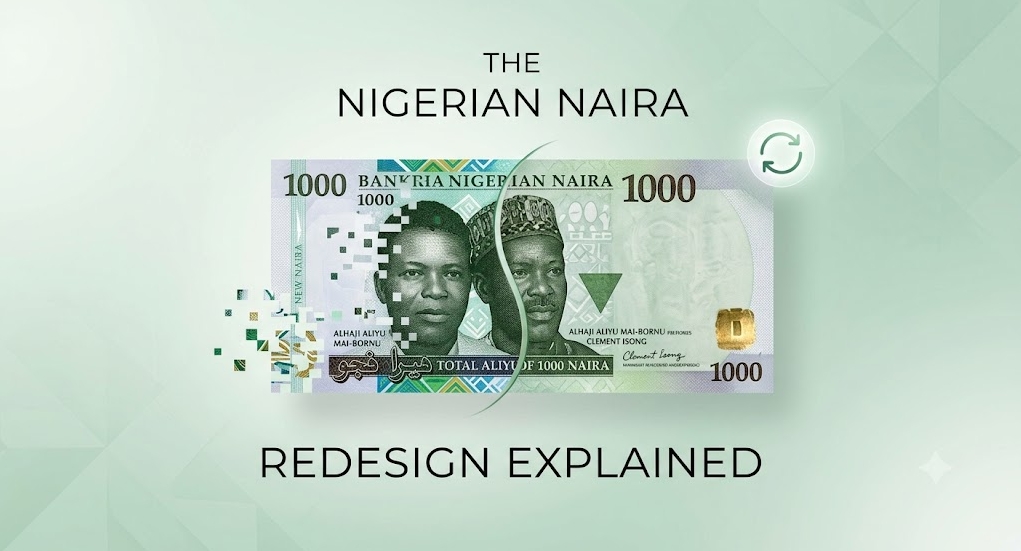
The Nigerian Naira Redesign Explained: Objectives, Controversies & Economic Impact
Read more →
The Rise and Fall of the Nigerian Naira: The Untold Story Behind Nigeria's Currency Crisis
Read more →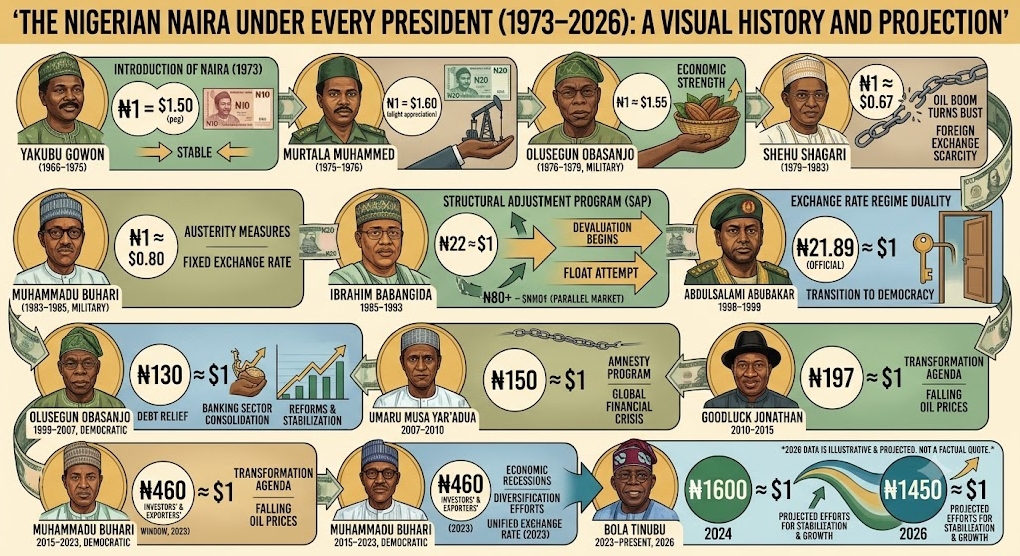
The Naira Under Every Nigerian President (1973–2026): A Complete History of Policies, Exchange Rates & Economic Impact
Read more →
The Complete History of the Nigerian Naira: Evolution, Currency Reforms & Economic Impact
Read more →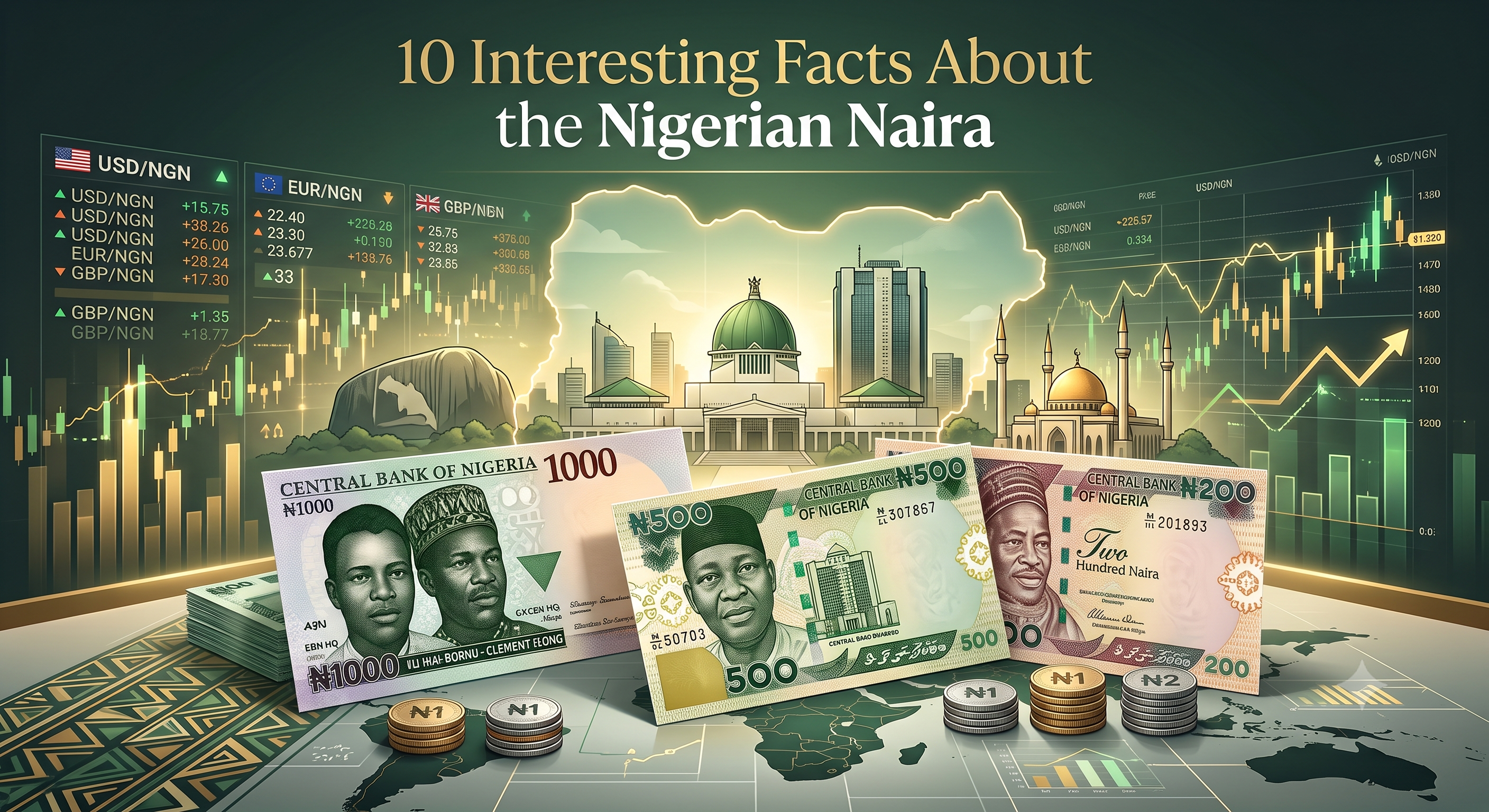
10 Interesting Facts About the Nigerian Naira You Probably Didn't Know
Read more →
CBN Overhauls FX Market: What the New Guidelines Mean for You in 2026
Read more →
Why More Nigerian Freelancers Prefer USD Payments
Read more →
Risks of Keeping All Your Savings in Naira in Nigeria
Read more →
Domiciliary Account vs Cash Dollar Savings in Nigeria: Which Is Better?
Read more →
Best Ways to Save in USD While Living in Nigeria
Read more →Comments on Aboki Dollar
No comments yet. Be the first to share your thoughts!